
Planning
PLANNING FOR A RESILIENT FUTURE
Why Planning Matters
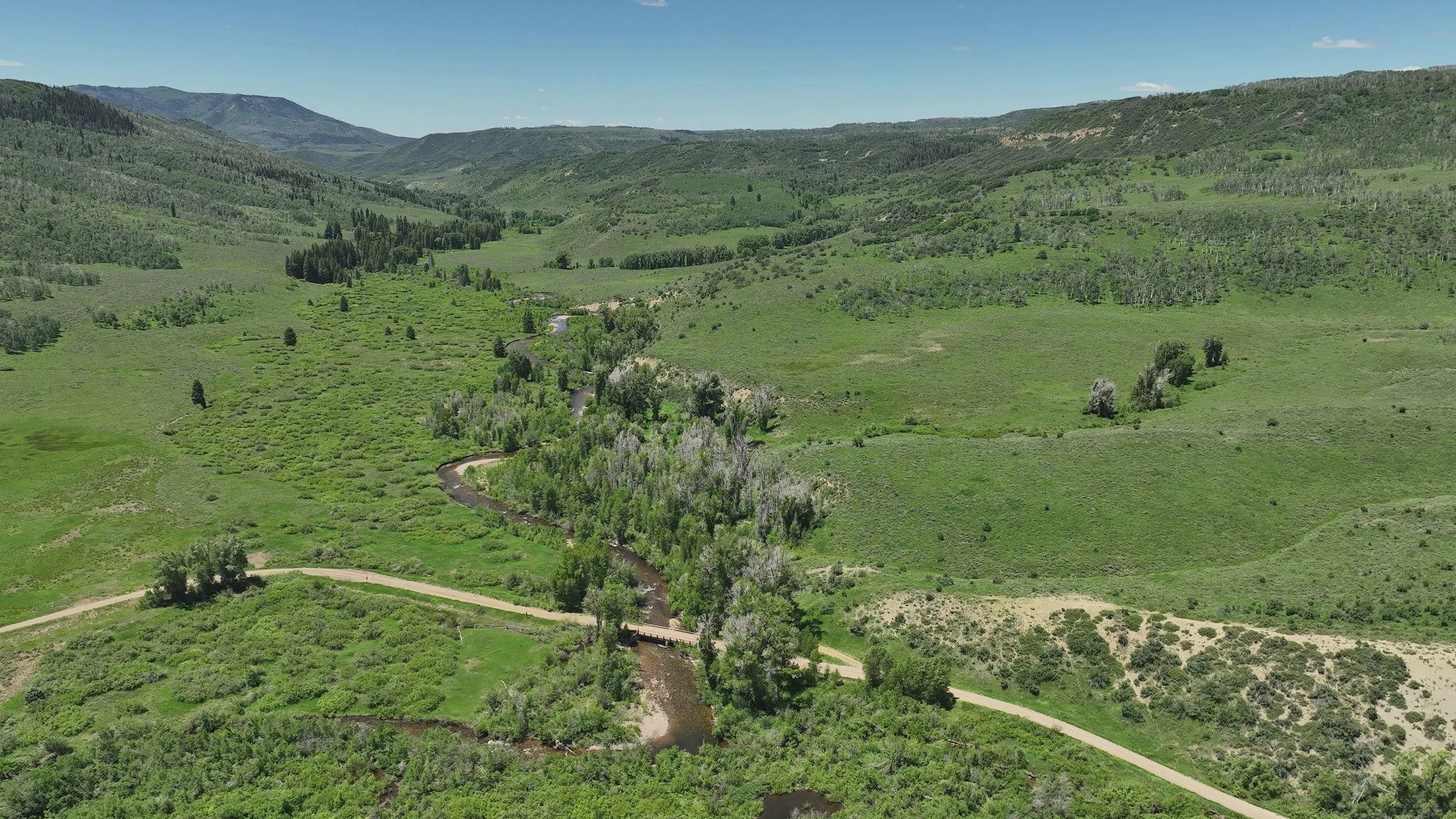
The Headwaters of the Colorado Initiative is currently leading a coordinated planning effort across the Little Snake, Elk, and Elkhead River watersheds.
These plans are not reports that sit on a shelf, they are roadmaps that identify where restoration, wildfire mitigation, and water resilience investments will have the greatest impact.
By aligning science, local knowledge, and agency priorities, we are building a shared strategy for long-term watershed health.
Wildfire Ready Action Plan
In Partnership with the Colorado Water Conservation Board (CWCB)
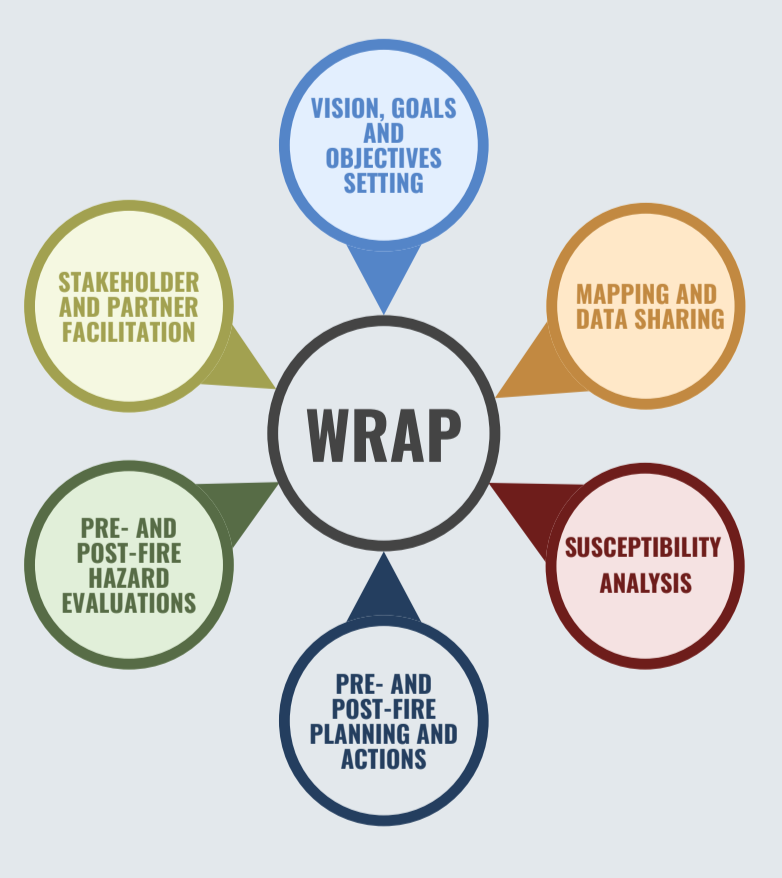
The Wildfire Ready Action Plan (WRAP) is a landscape-scale planning effort focused on reducing wildfire risk while protecting water supplies and critical infrastructure.
This work helps us:
Identify high-risk areas for catastrophic wildfire
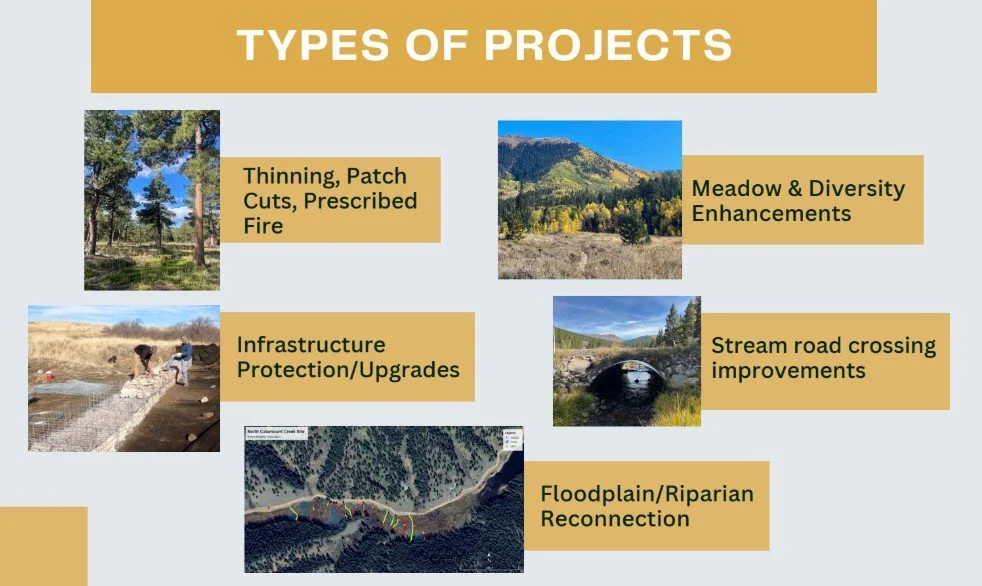
Prioritize forest treatments and restoration projects
Protect municipal and agricultural water sources
Strengthen cross-boundary collaboration
Position our region for implementation funding
WRAP allows us to move from reactive response to proactive investment.
Rather than working project-by-project, we are aligning efforts across jurisdictions to maximize ecological and community benefit.
The WRAP combines…
scientific data analysis
and
to
stakeholder participation
identify actions
prioritize projects
highlight system susceptibility
prepare in advance of wildfire
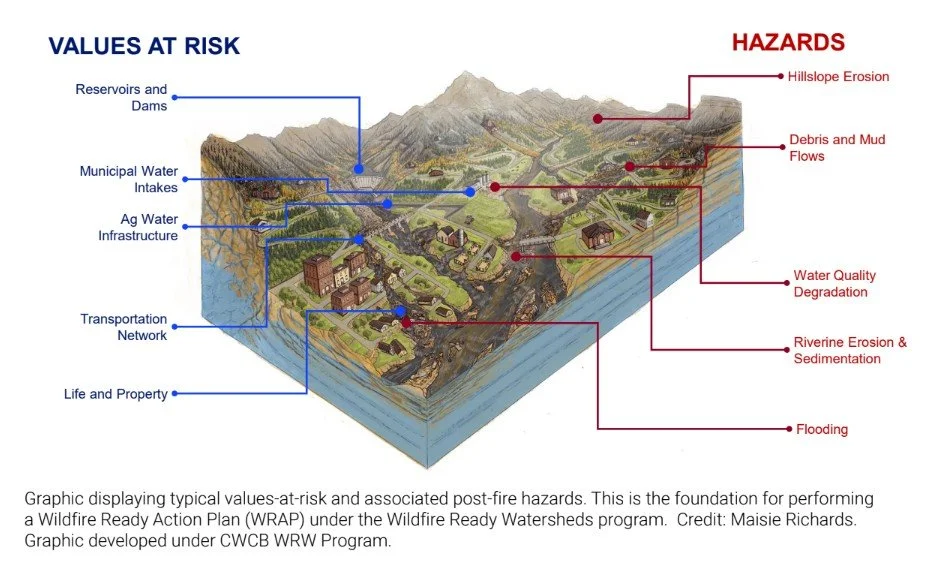
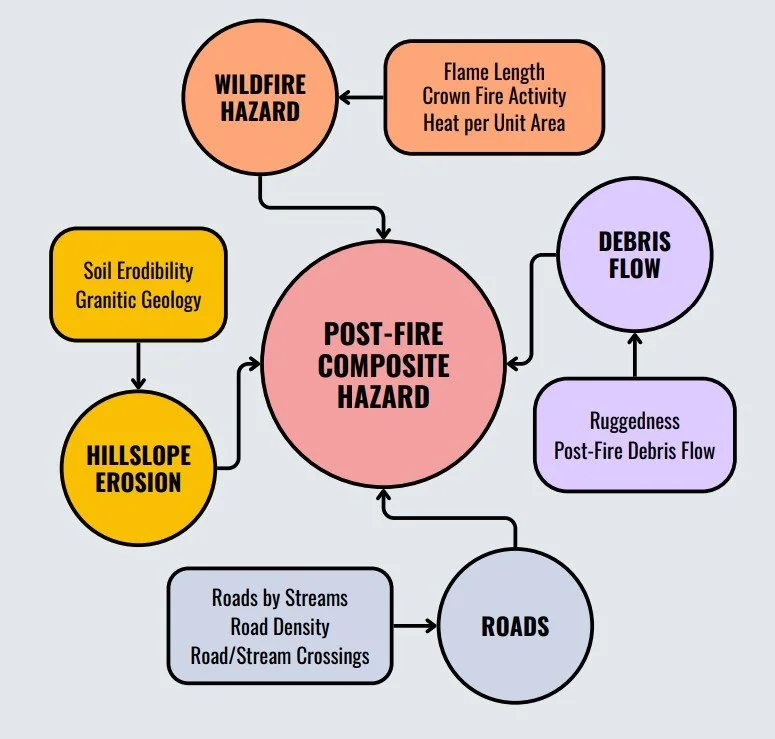
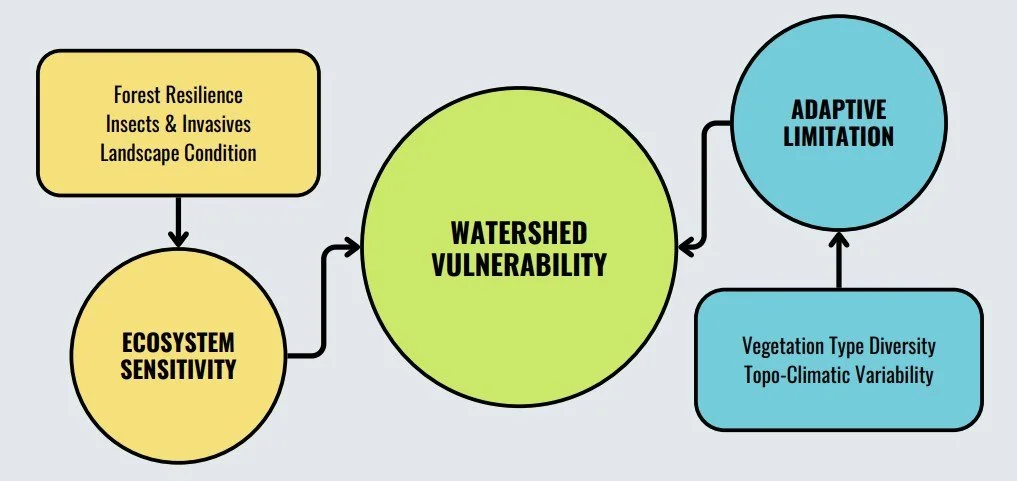
Hazards, Vulnerability, and Susceptibility
-
![]()
-
![]()
Watershed/Wildfire Hazard Analysis Components Diagram
-
![]()
Watershed Resiliency Analysis Components Diagram
-
![]()
WaterSMART Basin Planning
In Partnership with the Bureau of Reclamation (BOR)
Through the WaterSMART program, HoC is working to assess long-term water supply and demand risks in the headwaters of the Colorado River system.
This planning effort examines:
Changing snowpack and hydrology
Drought vulnerability
Infrastructure needs
Agricultural water resilience
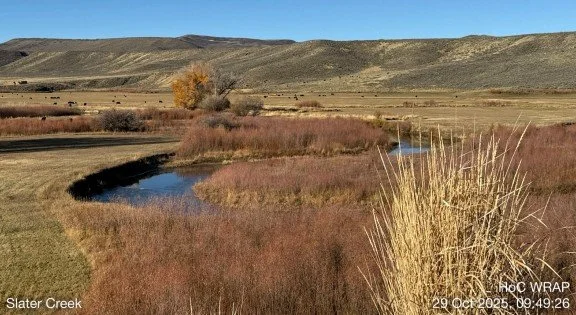
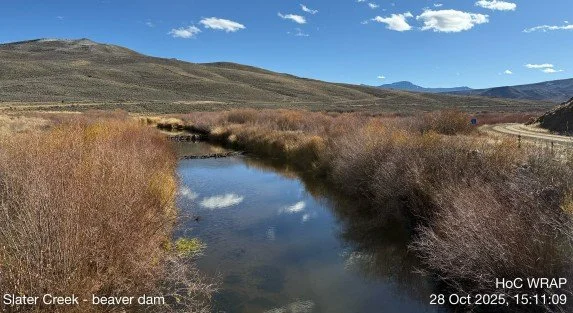
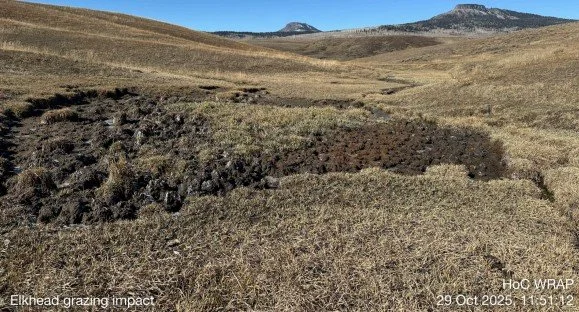
Ecosystem health and stream function
WaterSMART planning ensures that local communities are prepared for increasing variability in water availability.
It also strengthens our ability to compete for federal funding to implement priority projects.
What This Means for Our Region
Together, WRAP and WaterSMART create a coordinated, science-based foundation for action.
These efforts will:
Build a prioritized project pipeline
Improve access to state and federal funding
Support landowners and land managers
Protect downstream water users
Strengthen long-term watershed resilience
Planning is not the end goal — it is the groundwork for durable, landscape-scale restoration.
How This Supports Implementation
HoC serves as a coordination hub.
While we do not directly implement most projects, we:
Align partners and jurisdictions
Identify funding opportunities
Support grant applications
Track regional priorities
Ensure efforts complement one another
As these planning efforts conclude, our role will focus on helping partners translate priority areas into funded, shovel-ready projects.
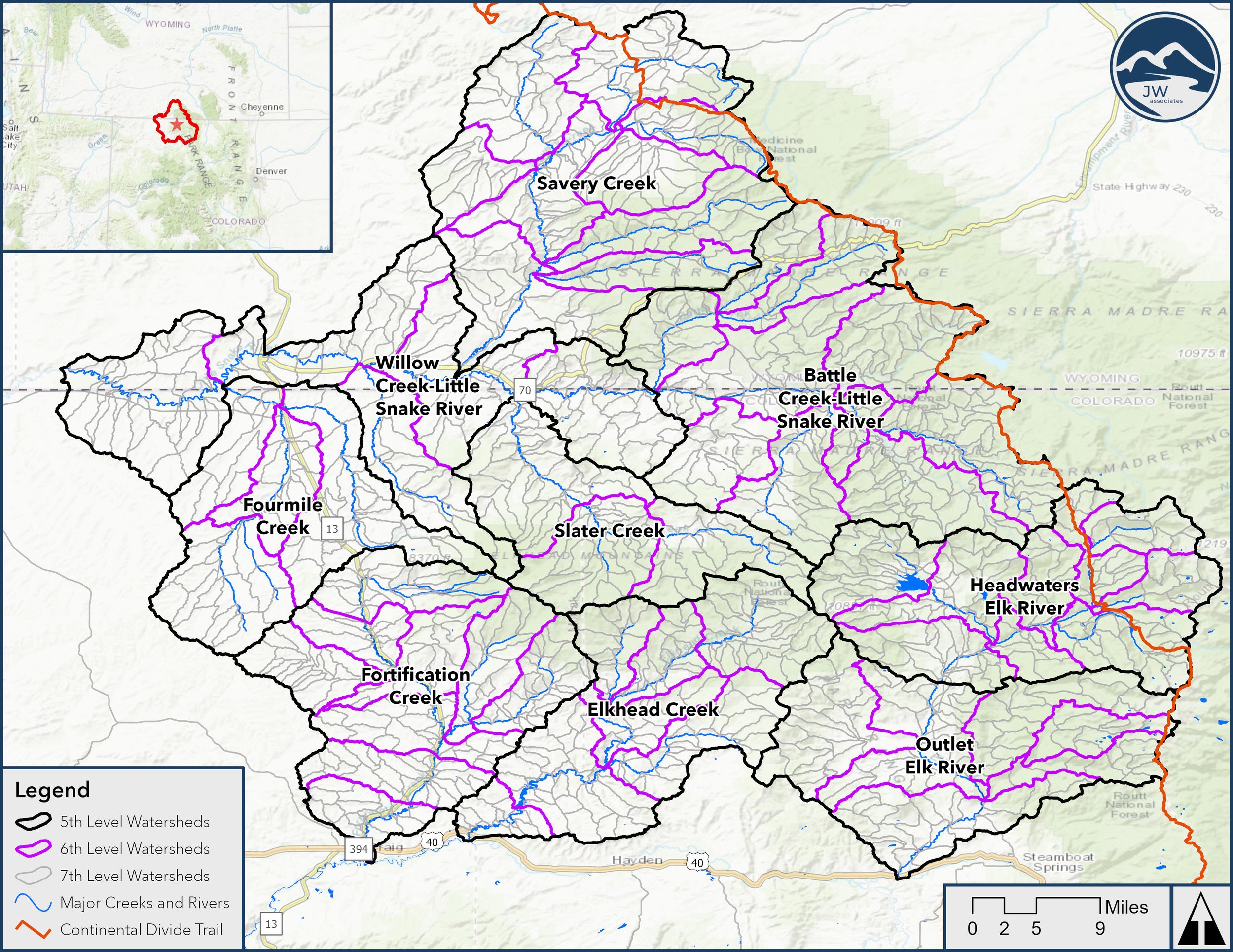
Over 1,000 7th-level watersheds fall within the HoC geography, underscoring the tremendous opportunity to advance watershed resilience and landscape-scale restoration in this critical headwaters region.
Map courtesy of JW & Associates